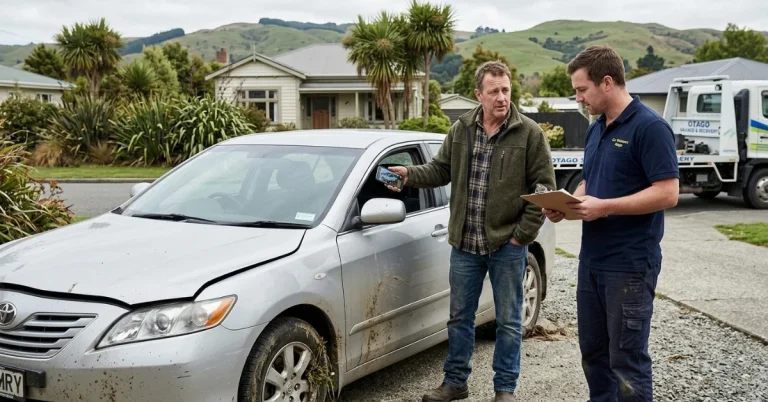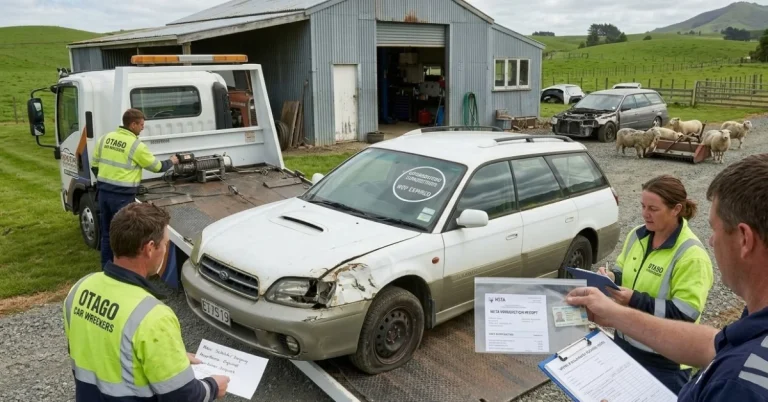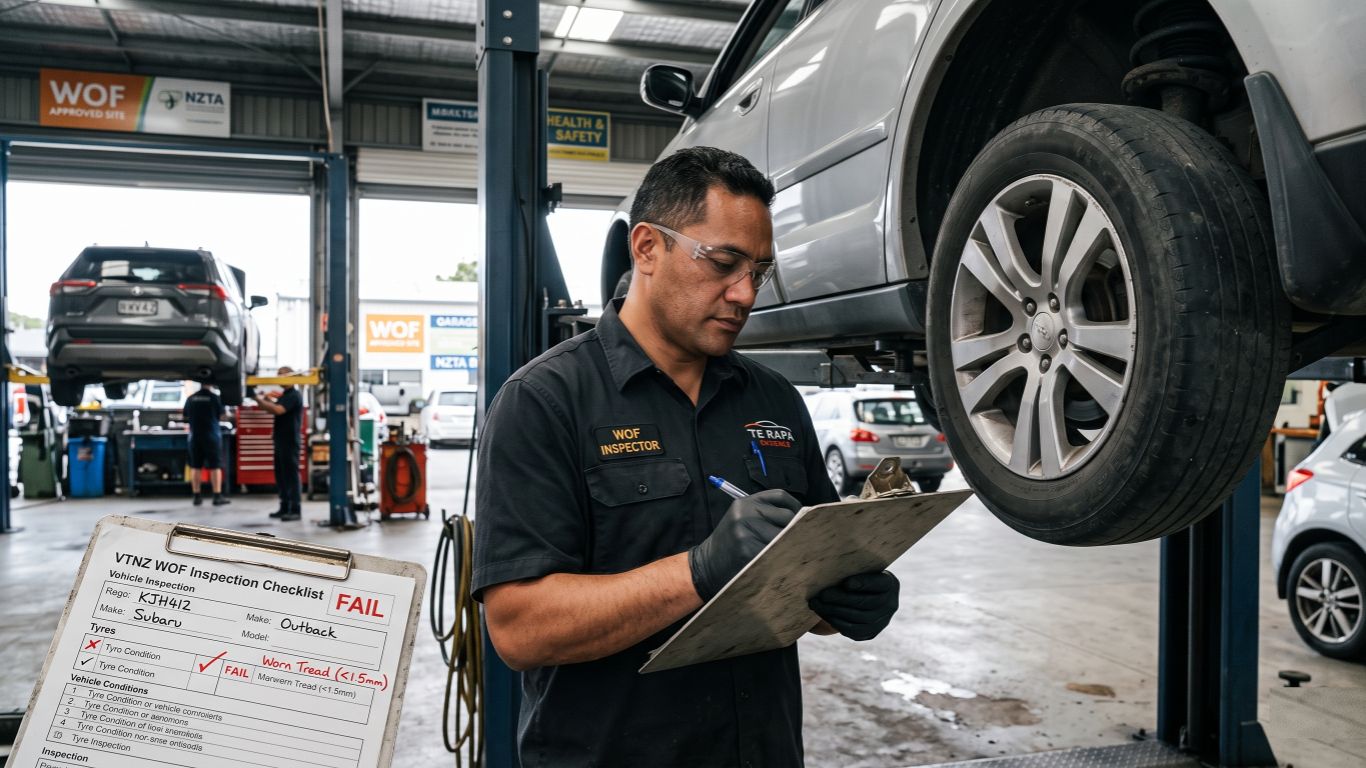
The most common WOF fail reasons NZ drivers face are often simple issues like blown bulbs, worn tyres, weak brakes, or damaged wipers. The frustrating part is that many of these problems are affordable, easy to identify, and could be fixed before the inspection with a quick check. Thousands of vehicles in New Zealand fail their first Warrant of Fitness (WOF) inspection every year, with many failures caused by small maintenance issues that owners could have prevented.
Whether you are preparing for your next WOF inspection or dealing with an unwanted failure notice, carwreckersotago helps NZ vehicle owners understand common car problems, repair costs, and what inspectors usually look for. This guide covers the most frequent WOF fail reasons NZ drivers experience, estimated repair costs in 2026, and simple checks that can help you pass your WOF the first time, without unnecessary stress or surprise expenses.
Why do so many cars fail their WOF?
A WOF inspection covers more than 60 safety items, so there are plenty of ways to trip up. The good news is that failures cluster around the same handful of problems year after year. Lights, tyres, brakes and suspension make up the bulk of them, and almost all are wear-and-tear issues that build up slowly while you’re not looking.
If you know what the inspector is checking, you can stay ahead of it. Here are the WOF fail reasons NZ workshops see most often, from the most common down.
The most common WOF failure reasons in NZ
1. Faulty lights and blown bulbs
Lighting is the single biggest reason cars fail a WOF in New Zealand. That includes headlights, brake lights, indicators, reverse lights, number plate lights and dashboard warning lights. A single dead bulb is an instant fail, and most drivers never check their rear lights.
The fix is the cheapest on this list. Do a quick walk-around with someone pressing the brake and indicators while you watch. A replacement bulb costs only a few dollars and is often a DIY job. Fitted at a workshop, expect roughly $15–$40.
2. Worn or bald tyres
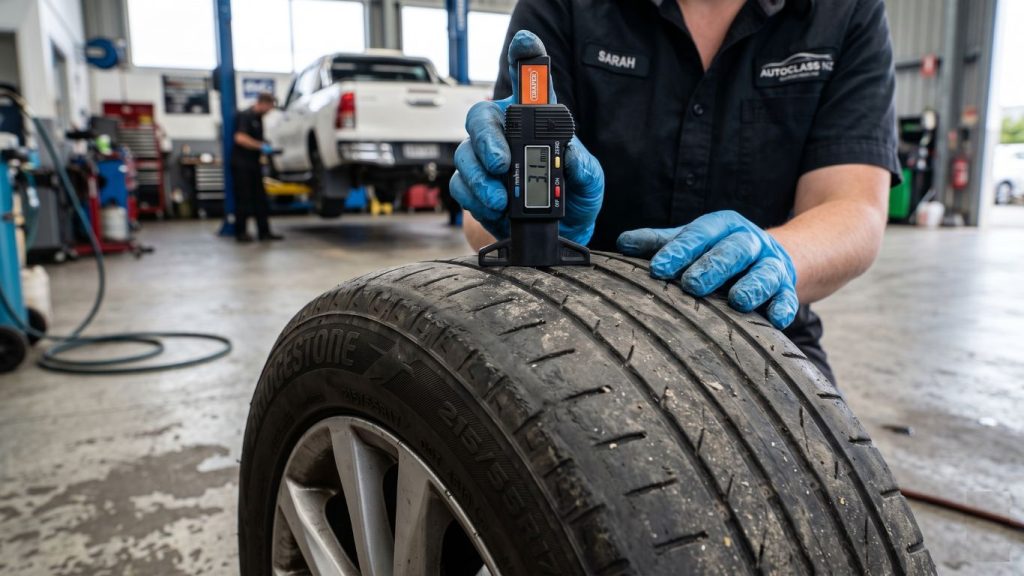
Tyres are a close second. The legal minimum tread depth in New Zealand is 1.5mm across the full width of the tyre. Below that, you fail. Inspectors also check for uneven wear, cracking, and bulges in the sidewall.
Worth knowing: performance drops off well before 1.5mm, so if your tread is getting low, replacing early is a safety win, not just a WOF one. A new tyre usually runs $100–$250+ each, depending on your car and the brand.
3. Brake problems
Brakes fail a lot of WOFs, and for good reason. Inspectors check pad thickness, braking performance, and the handbrake. Thin pads, warped discs, or low brake fluid will all stop you from passing.
If your brakes squeal, feel soft, or pull the car to one side, get them looked at before the test. Brake pad replacement in NZ typically costs $150–$250 per axle for economy cars and up to $400–$500 for larger or European vehicles, depending on whether discs need doing too.
4. Steering and suspension wear
Suspension issues creep up slowly, which is why they catch people out. Signs include knocking noises over bumps, a floaty or bouncy ride, the car sitting unevenly, or pulling to one side. South Island roads, with their potholes and coastal salt, are especially hard on these parts.
Repair costs vary widely here because there are so many components. A worn shock absorber or ball joint commonly runs $200–$800+ once parts and labour are in.
5. Windscreen and wiper faults
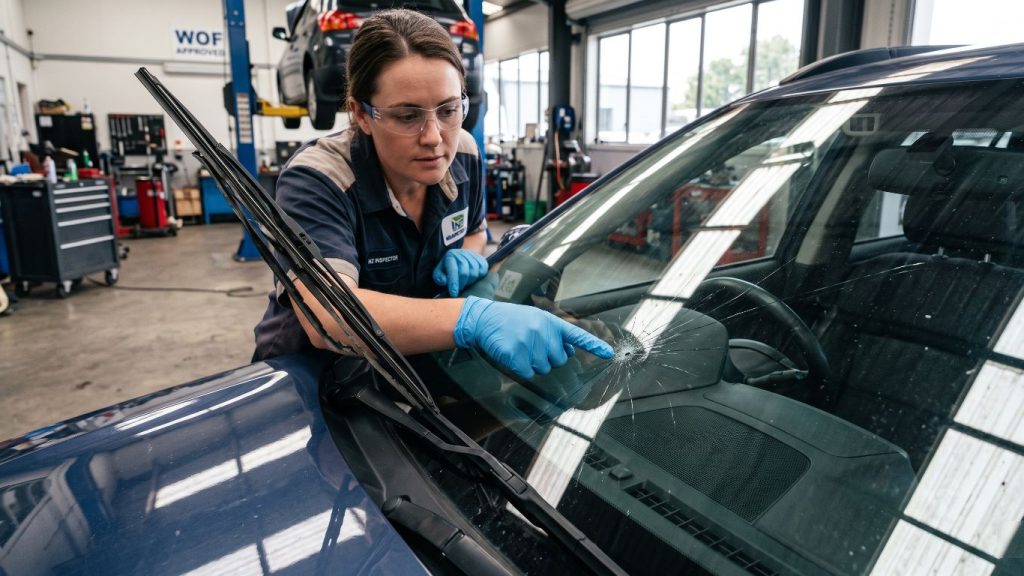
A chip or crack in the driver’s line of sight is a straight fail. So are wiper blades that smear or skip, or washers that don’t spray.
Wiper blades are cheap at $20–$60. A small chip repair is $50–$100 and takes about 20 minutes, but if it spreads into a crack, you’re looking at a full windscreen replacement of $300–$700+ and more again for cars with rain sensors or camera-based safety systems. Fix chips early; it’s the cheapest call you’ll make.
6. Rust and structural damage
This one surprises people. Light surface rust is usually fine, but rust in structural areas around seat mounts, door sills, or the chassis is a fail. Cars that live near the coast are most at risk.
Costs swing a lot depending on how bad it is, from a couple of hundred dollars for a small repair to $2,000+ for serious structural work.
7. Exhaust leaks and noise
A leaking, holed, or overly loud exhaust can fail your WOF. Modified exhausts need to meet NZ standards to be legal. A leak isn’t only a WOF problem, either; it can point to other faults. Repairs commonly land around $100–$600+.
8. Seatbelts and safety gear
Frayed, sticky or non-retracting seatbelts are an automatic fail, along with broken buckles or airbag warning lights. A seatbelt replacement usually costs $80–$300, depending on the part.
9. Window tint that’s too dark
Easy to forget until it’s too late. Front-side windows must let through at least 35% of light. DIY tints and faded old film are common culprits. If your tint is borderline, get it checked before the inspection rather than paying for a fail and a re-tint.
WOF repair costs at a glance
| Fail reason | Typical repair cost (NZ) |
| Blown bulb | $5–$40 |
| Wiper blades | $20–$60 |
| Windscreen chip repair | $50–$100 |
| Windscreen replacement | $300–$700+ |
| New tyre (each) | $100–$250+ |
| Brake pads (per axle) | $150–$500 |
| Suspension component | $200–$800+ |
| Exhaust repair | $100–$600+ |
| Seatbelt | $80–$300 |
These are ballpark figures and vary by make, model, and workshop. Always ask whether a quote is GST-inclusive before you agree. You can also learn more about How Much Does a WOF Cost in NZ?
What happens after a failed WOF?
If your car fails, you get a list of what needs fixing. Return to the same testing station within 28 days with the repairs done, and the re-check is free, focused only on the items that failed. Miss that window, and you pay for a full new WOF.
You can still drive a failed car to get it repaired, but not if it’s in an unsafe condition. If you’re unsure, ask your inspector before you drive off.
WOF rule changes are coming on 1 November 2026
Big changes are on the way, and they affect how often you’ll be inspected and how much a mistake costs:
- Longer gaps between inspections. Many light vehicles aged 4 to 14 years (registered on or after 1 November 2019) move from yearly to a WOF every two years. Cars over 14 years old and older motorbikes shift from six-monthly to annual.
- Higher fines. The penalty for driving on a WOF expired by more than two months rises from $200 to $350. Fines for non-compliant tyres and wheels jump from $150 to $350, and up to $1,000 in court.
The takeaway: With fewer inspections, more responsibility falls on you to spot problems between WOFs. Regular self-checks matter more than ever.
How to avoid failing your WOF
Most failures are preventable with a few minutes of attention:
- Check your lights. Walk around the car with a helper and test every light, including brake and reverse.
- Look at your tyres. Check tread depth and look for uneven wear or cracks.
- Listen to your car. Odd noises over bumps or when braking are early warnings.
- Top up fluids. Keep washer fluid full and the jets clear.
- Book a pre-WOF check. A quick once-over a week or two early, gives you time to fix things without the stress of a re-inspection.
Frequently asked questions
How much does it cost to get a WOF in NZ?
Is there a grace period for an expired WOF?
Does a WOF mean my car is safe for the year?
What happens if my car fails a WOF?
Can I sell a car without a current WOF in NZ?
Conclusion
A WOF in NZ may cost only a small amount for the inspection, but a failed WOF can lead to expensive repairs. Before booking, it is smart to check the basics, tyres, lights, brakes, wipers, seatbelts and fluid levels. These small checks can help you avoid simple failures and save money. You can also learn more about general vehicle inspection standards and safety checks to better understand how inspections work.
But if your car keeps failing WOF, has no rego, or the repair cost is higher than the car’s value, fixing it may not be the best choice. In that case, selling the car for cash can be the easier option.
Failed WOF? Sell Your Car for Cash Today
If your car failed its WOF or is too costly to repair, we can take it off your hands. Get a free quote today, arrange easy pickup, and turn your unwanted car into cash without paying for towing.
Most WOF fail reasons NZ drivers face aren’t dramatic or expensive; they’re worn bulbs, low tread, tired wipers and thin pads that quietly build up between inspections. Spend ten minutes checking the basics, fix the small stuff early, and you’ll skip the failure slip and the re-inspection hassle. Contact Car Wreckers Otago for expert vehicle advice