If you’re wondering how much does a WOF costs NZ drivers in 2026, the quick answer is $60 to $90 for a standard car, depending on where you go. VTNZ sits at the top of that range; the AA is a little cheaper for members, and some independent garages start from around $60.
But the inspection fee is only half the story. Where you book, what your car needs, and a few simple checks beforehand can be the difference between a quick $70 sticker and a bill that runs into the hundreds. Here’s the full picture for 2026, in plain numbers, so you know exactly what to expect before you turn up.
WOF cost in NZ at a glance
A Warrant of Fitness is a legal safety check every car on the road needs. The price for the check itself is usually small and predictable. Here’s what the main providers charge for a standard light vehicle in 2026.
| Provider | Price (standard car) | Notes |
| VTNZ | around $83–$89 | Consistent nationwide, inspection only, online booking |
| AA | around $76 (members) / $85 (non-members) | Member discount available |
| VINZ | from around $55 | Standard light vehicle rate varies by branch |
| Independent garages | $60–$90 | Some specials from $45; price varies by location |
| Motorcycle | $30–$50 | Lower than cars |
| Trailer/caravan | $40–$60 | Lower than cars |
Prices move around by branch and region, so it’s always worth a quick phone call or website check before you book. A WOF in a small town often costs less than one in central Auckland or Wellington.
How much does a WOF cost by provider?
The provider you pick is the biggest single factor in your WOF cost. Each one runs a little differently.
VTNZ WOF price
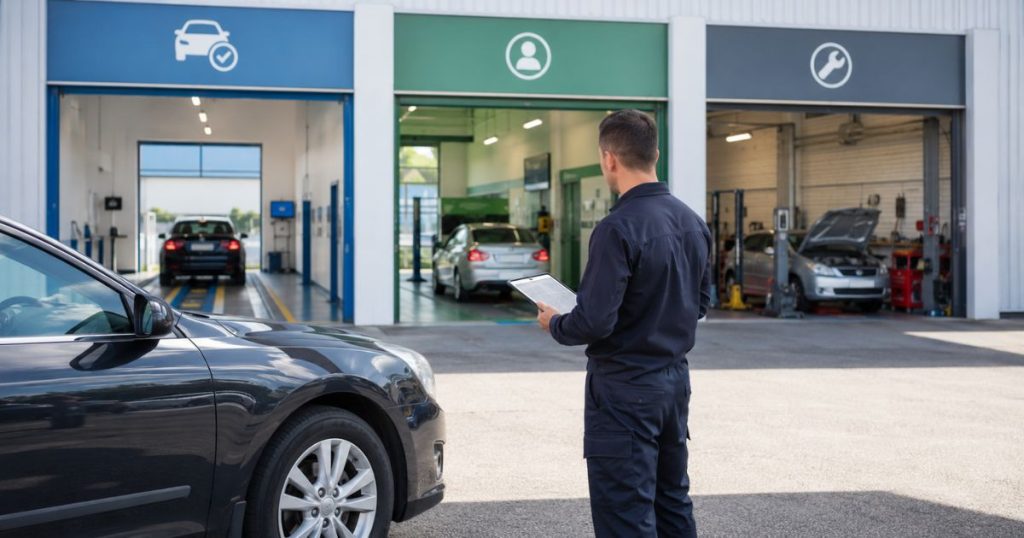
VTNZ is the most well-known name for inspections, and a standard car WOF runs around $83–$89 in 2026. The reason a lot of people choose them is simple: VTNZ only does inspections, not repairs. That means there’s no reason for them to fail your car just to sell you work. If your car is in decent shape, this is a safe, no-pressure option.
AA WOF price
The AA charges roughly $76 for members and $85 for non-members. If you’re already an AA member, this is often the cheapest of the big chains. Booking online ahead of time usually means a shorter wait.
Independent garages
Local garages set their own rates, so you’ll see anything from $60 up to $90, with the odd promotion dropping to $45 or so. The trade-off: many of these places also do repairs. That’s handy if you think your car needs work, but be careful with very cheap “$30 WOF” deals. They can be a way to get your car in the door before a much bigger repair bill.
What makes a WOF cost more or less?
The headline price isn’t the whole cost. A few things push it up or down:
- Provider type. Chains like VTNZ and the AA have set prices. Independents are flexible and vary the most.
- Your location. Big cities tend to sit at the higher end. Smaller towns and rural spots are often cheaper.
- Vehicle type. Motorbikes, trailers, and caravans cost less to inspect than cars. Campervans and heavier vehicles cost more.
- Bundling. Some mechanics throw in a free or cheap WOF when you book a full service. If both are due, that can save you real money.
What gets checked in a WOF?
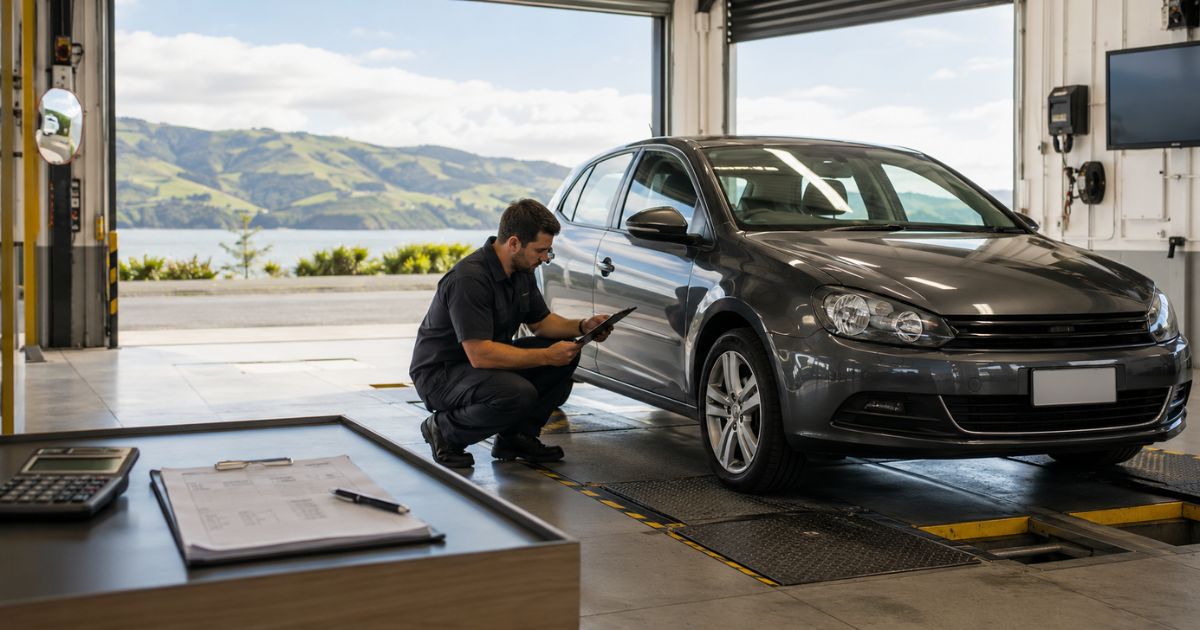
Knowing what’s checked helps you spot problems before you pay for an inspection. A certified inspector goes over more than 60 items on your vehicle, grouped into a few main areas:
- Tyres and wheels – tread depth (must be at least 1.5mm), overall tyre condition, wheel bearings
- Brakes – pad thickness, braking performance, handbrake
- Lights and visibility – all bulbs working, windscreen condition, wipers and washers
- Structure – body and chassis, rust in key areas, doors and latches
- Steering and suspension – worn bushes, shock absorbers, ball joints
- Safety gear – seatbelts, airbags, anti-lock brakes, stability control
If everything passes, the inspector sticks a WOF label inside your windscreen on the driver’s side, and you’re good to go until the expiry date.
The most common WOF fails (and what they really cost)
Here’s the part most price guides skip. The inspection fee is rarely the painful bit. The painful bit is a fail. Around 40% of vehicles fail their first WOF, and roughly 1 in 6 fail on something as small as a dead light bulb.
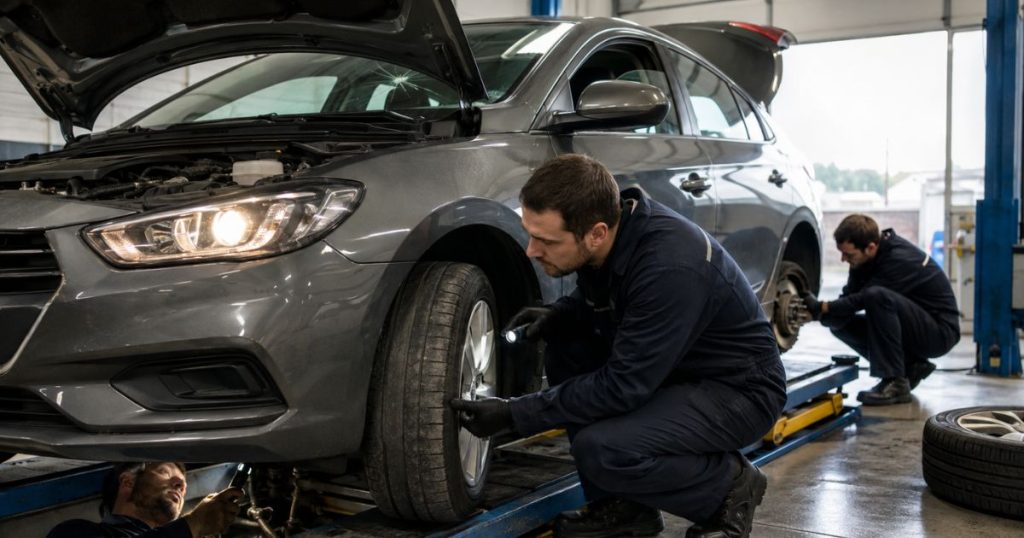
These are the usual culprits, from the cheapest to fix to the most expensive:
- Lights not working – a bulb costs a few dollars. Check them yourself before you go.
- Worn tyres – tread under 1.5mm is an automatic fail.
- Brake issues – worn pads, discs or weak braking performance.
- Windscreen damage – chips or cracks in the driver’s line of sight.
- Suspension wear – worn bushes, shocks or ball joints.
The lesson is clear: a $70 WOF can quietly turn into a $700 day if your car isn’t ready. A few minutes of checking at home is the cheapest insurance you’ll find.
How to keep your WOF cost down
You can’t avoid the WOF, but you can avoid overpaying for it. A few easy habits:
- Do a quick pre-WOF check at home. Walk around the car and test every light, both wipers, and the washer. A $5 bulb fixed at home beats a re-inspection fee.
- Combine it with a service. If your service and WOF fall due around the same time, ask for a bundle. Many garages include the WOF for free.
- Shop around. Independent garages are often cheaper than the big chains. Read a few reviews first to make sure the work is solid.
- Get repairs quoted separately. If you fail, you don’t have to fix it where you tested. Grab a couple of quotes before you commit, and confirm the price is GST-inclusive.
How often do you need a WOF?

How often you’re back for an inspection depends on your car’s age:
- First registered from 2000 onwards: once a year, after the car turns 3.
- First registered before 2000: every 6 months.
- New vehicles under 3 years old: no WOF needed until the third anniversary of registration.
- Classic vehicles over 40 years old: as of 1 September 2025, these moved from every 6 months to once a year.
Driving on an expired WOF is a quick way to lose money you didn’t need to spend. It can land you a $200 fine, and if you have an accident, your insurer may decline the claim.
Frequently Asked Questions
What happens if my car fails the WOF?
Can I drive with an expired WOF?
How long does a WOF take?
Is a pre-WOF inspection worth it?
The bottom line
So, how much does a WOF cost NZ-wide in 2026? For most standard cars, $60 to $90 covers the inspection, with VTNZ at the top end, the AA cheaper for members, and independents spread across the middle. The real cost to watch isn’t the fee. It’s a failed WOF and the repairs that follow.
Do a five-minute check at home, pick a provider that suits your car’s condition, and you’ll keep the whole thing cheap and stress-free.