Many vehicle owners wonder what happens after they sell an old or damaged car to a car wrecker. If your vehicle is no longer safe to drive, has failed its Warrant of Fitness (WOF), or costs too much to repair, scrapping it is often the most practical option. The process is straightforward and helps recover valuable parts and materials.
Once a car is collected, it does not go straight to the crusher. Professional car wreckers inspect the vehicle, remove reusable parts, drain fluids safely, and recycle metal and other materials. Parts that are still in good condition are cleaned, tested, and sold as used auto parts, while the remaining materials are sent for recycling.
This guide explains what happens to a car after it is scrapped in New Zealand, how the recycling process works, which parts can be reused, and how vehicle dismantling helps reduce waste while supporting the supply of affordable used car parts.
Why Are Cars Scrapped in New Zealand?
Cars are scrapped in New Zealand when they are no longer safe, reliable, or worth repairing. Even if a vehicle cannot be driven, it may still contain valuable parts and recyclable materials. Selling it to a car wrecker allows those parts to be reused while the remaining materials are recycled.
Common reasons why vehicles are scrapped include:
- Severe accident damage
- Failed Warrant of Fitness (WOF) with costly repairs
- Engine or transmission failure
- Flood or fire damage
- Repair costs that exceed the vehicle’s value
- Old vehicles that have reached the end of their usable life
- Unregistered or abandoned vehicles
- Insurance write-offs after major damage
Instead of leaving an unwanted vehicle sitting in a driveway or garage, many owners sell it to a licensed car wrecker. The vehicle is dismantled, reusable parts are recovered, and materials such as steel and aluminium are recycled. This reduces waste and gives useful vehicle components a second life.
What Happens to a Car After It Is Collected for Scrapping?
After your vehicle is collected, it goes through several steps before the recycling process is complete. A professional car wrecker does more than simply crush the vehicle. The car is inspected, reusable parts are removed, hazardous fluids are drained safely, and recyclable materials are separated. This process helps recover valuable components and reduces waste.
Step 1: Vehicle Collection
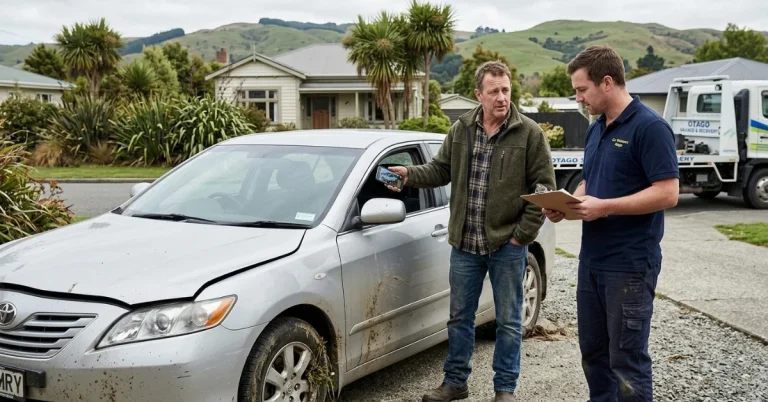
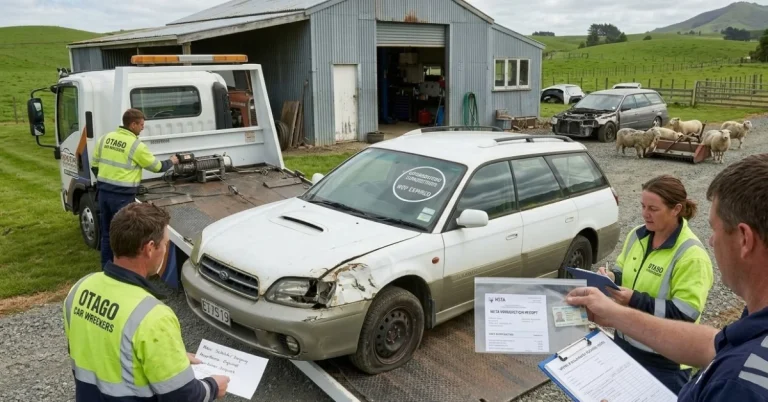
The process starts when the owner accepts the offer. The car is picked up from the agreed location and taken to the wrecking yard.
Many New Zealand car wreckers offer:
- Free vehicle removal
- Home pickup
- Workplace collection
- Farm pickup
- Roadside recovery
Before the vehicle is collected, remove all personal belongings and complete the required NZTA change of ownership notification.
Step 2: Vehicle Inspection
Once the vehicle arrives at the wrecking yard, technicians inspect it to identify parts that can still be used.
They check the:
- Engine
- Transmission
- Suspension
- Electrical system
- Interior
- Wheels
- Body panels
- Air conditioning system
This inspection helps determine which components are suitable for resale or recycling.
Step 3: Hazardous Fluids Are Removed
Before dismantling begins, all vehicle fluids are drained using safe handling procedures.
These include:
- Engine oil
- Coolant
- Brake fluid
- Transmission fluid
- Fuel
- Power steering fluid
- Air conditioning refrigerant
Removing these fluids helps prevent soil and water contamination and supports safe vehicle recycling.
Step 4: Reusable Parts Are Removed
Many parts from a scrapped car can still be used in other vehicles. Technicians carefully remove these components before the remaining vehicle is recycled.
Common reusable parts include:
- Engines
- Gearboxes
- Alternators
- Starter motors
- Radiators
- Doors
- Bonnets
- Boot lids
- Headlights
- Tail lights
- Mirrors
- Wheels
- Alloy rims
- Seats
- Engine control units (ECUs)
- Catalytic converters
These parts are usually inspected, cleaned, and tested before being sold as quality used auto parts.
Step 5: Recyclable Materials Are Separated
After reusable parts are removed, the remaining vehicle is sorted into different recyclable materials.
Common materials include:
- Steel: Recycled into new vehicles, machinery, and construction products.
- Aluminium: Recovered from wheels and body panels for reuse.
- Copper: Removed from electrical wiring and recycled.
- Plastic: Used to make new plastic products where possible.
- Glass: Recycled if it meets processing requirements.
Recycling these materials reduces landfill waste and helps conserve natural resources.
Step 6: The Vehicle Shell Is Crushed
Once all reusable parts and recyclable materials have been removed, the remaining vehicle shell is compressed using heavy machinery.
The crushed metal is then sent to a recycling facility, where it is processed into raw material for manufacturing new vehicles, appliances, machinery, and construction products. This is the final stage of the vehicle scrapping process.
What Happens to Your Vehicle Registration?
Scrapping your car does not automatically remove it from your name. After selling your vehicle to a car wrecker, you should notify Waka Kotahi NZTA that the ownership has changed.
Completing this step helps protect you from future fines, parking tickets, or other legal responsibilities linked to the vehicle. It also keeps the ownership records up to date. If you’re unsure about the process, a professional car wrecker can explain what you need to do before the vehicle is collected.
How Does Car Recycling Help the Environment?
Recycling old vehicles helps reduce waste and allows valuable materials to be used again instead of ending up in landfill. After reusable parts are removed, materials such as steel, aluminium, copper, plastic, and glass are separated and sent for recycling.
Car recycling provides several environmental benefits, including:
- Reduces the amount of waste sent to landfill
- Saves energy by reusing existing materials
- Reduces the need to mine new raw materials
- Lowers greenhouse gas emissions
- Ensures engine oil, fuel, coolant, and other fluids are disposed of safely
- Gives usable vehicle parts a second life
Modern vehicle recycling can recover and recycle around 75% or more of a typical vehicle, making it one of the most effective ways to reduce automotive waste.
Can You Buy Parts from Scrapped Cars?
Yes. Many used auto parts come from scrapped vehicles that still have components in good working condition. Before any part is sold, it is usually inspected and checked for reuse.
People often buy recycled parts for:
- Accident repairs
- Older vehicles
- Affordable vehicle repairs
- Rare or discontinued vehicle models
Buying used parts can cost much less than buying new ones. It is also a practical way to find parts that may no longer be available from the manufacturer.
How Long Does It Take to Scrap a Car?
The time needed to scrap a car depends on its condition and the work required. In most cases, the process is completed within a few days.
A typical timeline looks like this:
- Vehicle collection: Same day or the next day
- Vehicle inspection: Usually completed within a few hours
- Parts removal: Often takes one to three days
- Metal recycling: Starts after all reusable parts have been removed
Some parts are cleaned, tested, and stored until they are sold to another customer, while the remaining metal is sent for recycling.
Why Should You Choose a Professional Car Wrecker?
A professional car wrecker does much more than collect and crush old vehicles. They follow a structured process to recover usable parts, recycle valuable materials, and dispose of hazardous waste safely.
Professional car wreckers help by:
- Removing parts that can be reused
- Recycling steel, aluminium, copper, and other materials
- Disposing of engine oil, fuel, coolant, and other fluids safely
- Supplying affordable used auto parts
- Reducing the amount of vehicle waste sent to landfill
Choosing an experienced car wrecker helps ensure your vehicle is dismantled responsibly and recycled in an environmentally friendly way.
Frequently Asked Questions
1. Do scrapped cars go straight to the crusher?
No. A scrapped car is inspected first. Reusable parts are removed, and fluids such as engine oil and coolant are drained safely. Only the remaining vehicle shell is crushed and sent for metal recycling.
2. What parts are removed before a car is recycled?
Technicians remove any parts that are still in good condition. These often include the engine, gearbox, alternator, starter motor, wheels, doors, mirrors, headlights, seats, and catalytic converter.
3. Are scrapped cars fully recycled?
Most of a scrapped car can be recycled. Materials such as steel, aluminium, copper, plastic, and glass are separated and processed to make new products.
4. Can I buy used parts from a scrapped car?
Yes. Many car wreckers sell quality used auto parts that have been inspected before sale. These parts are often a more affordable option than buying new replacements.
5. How long does it take to scrap a car?
The process usually takes a few days. Vehicle collection may happen on the same day or the next day, while inspection, dismantling, and recycling are completed after the car arrives at the wrecking yard.
6. Do I need to notify NZTA after scrapping my car?
Yes. You should notify Waka Kotahi NZTA that the ownership of your vehicle has changed. This helps protect you from future fines or legal responsibility connected to the vehicle.
7. Why is car recycling important in New Zealand?
Car recycling reduces landfill waste, saves natural resources, allows valuable materials to be reused, and ensures hazardous fluids are disposed of safely. It also helps supply affordable used auto parts for other vehicle owners.
Final Thoughts
After a car is scrapped in New Zealand, it goes through several important steps before the recycling process is complete. The vehicle is inspected, reusable parts are removed, hazardous fluids are drained safely, and recyclable materials are separated. The remaining metal is then processed for recycling and used to make new products.
Scrapping an old or damaged vehicle is more than just getting rid of an unwanted car. It helps recover valuable parts, reduces landfill waste, and supports vehicle recycling across New Zealand. By choosing a professional car wrecker, you can be confident that your vehicle will be dismantled, recycled, and disposed of in a safe and responsible way.