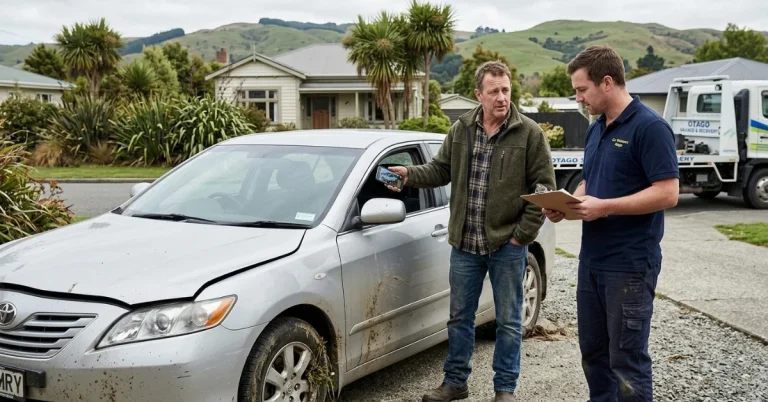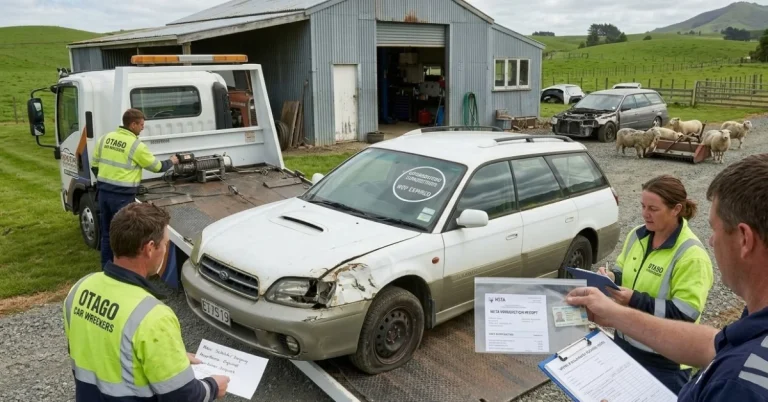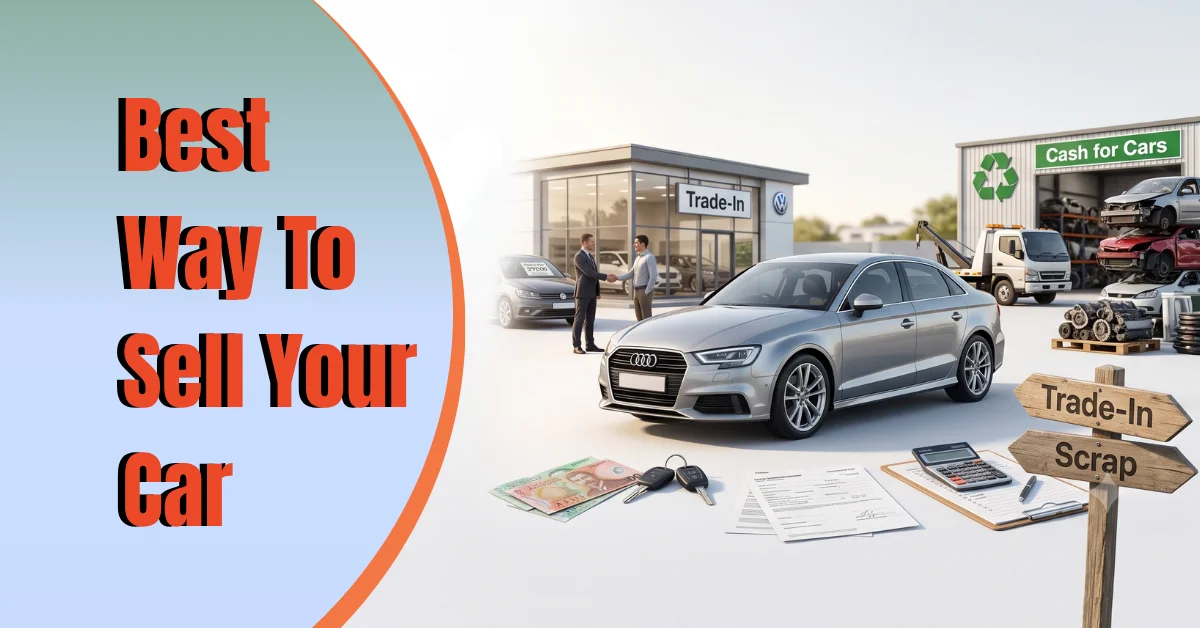
Trade vs Scrap Car NZ is a common question for vehicle owners deciding how to get the best value. Choose a trade-in if your car is in good condition, has a current WoF, and you’re planning to buy another vehicle from a dealership. Choose scrapping if your car is old, damaged, no longer roadworthy, or would cost more to repair than it’s worth. In most cases, a car wrecker will pay you cash and collect the vehicle from your location.
The right choice depends on your car’s condition, repair costs, and how much you could get from each option. At Car Wreckers Otago, we help vehicle owners compare both options with confidence. This guide explains the key differences between trading in and scrapping a car in New Zealand, so you can quickly decide which option is likely to give you the best value.
How Does a Car Trade-In Work in NZ?
A car trade-in lets you use your current car as part payment for another vehicle at a dealership. The dealer checks your car, offers a price, and deducts that amount from the cost of the car you’re buying. They also usually handle the ownership transfer, making the process simple.
Trade-ins work best for cars that are in good condition, have a current WoF, and don’t need expensive repairs. If your car is old, badly damaged, or has major mechanical problems, the dealer may offer a very low price or refuse to take it.
Because dealers need to repair and resell the car for a profit, trade-in offers are often lower than what you could get by selling the car privately.
How Does Scrapping a Car Work in NZ?
Scrapping a car means selling it to a car wrecker instead of a dealership. The wrecker buys the vehicle for its usable parts and recyclable metal, not because it can be resold.
You simply provide the make, model, year, and condition of the car. After receiving a free quote, you can accept the offer and arrange a pickup. Most wreckers collect the car for free, often on the same day, and pay you by cash or bank transfer when they collect it.
Scrapping is a good option for cars that don’t run, have no WoF, are accident-damaged, badly rusted, or cost too much to repair. Unlike a trade-in, you don’t need to buy another car.
Trade vs Scrap Car NZ: Which Option Gives You More Money?
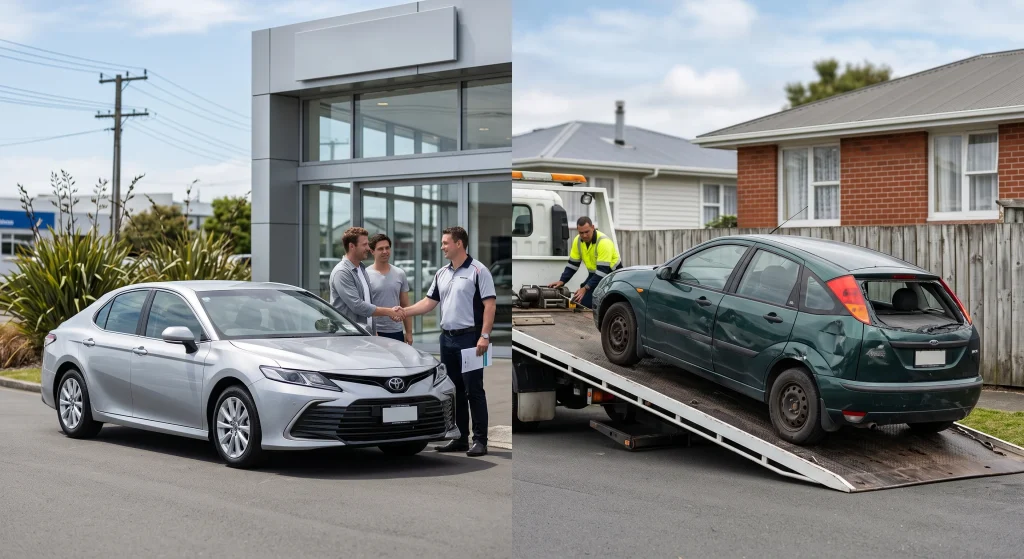
A trade-in usually gives you more money if your car is in good condition and has a current WoF. Scrapping usually pays more if your car is old, damaged, or no longer worth repairing.
For a car that runs well and is still roadworthy, a dealership may offer a higher value because it can clean it up and sell it again.
For an older car with high kilometres, accident damage, engine problems, or a failed WoF, the opposite is often true. Many dealerships offer very little or refuse the car completely. A car wrecker may still pay a good price because the parts and scrap metal have value. Free towing is usually included, so you don’t have to pay to move the vehicle.
Another difference is how you’re paid. With a trade-in, the value is usually deducted from the price of the next car you buy. With scrapping, you receive the amount you were quoted, usually when the car is collected.
When Should You Trade In Your Car?
Trade in your car if it’s in good condition and you’re already planning to buy another vehicle from a dealership.
A trade-in is usually the better choice when your car:
- Starts and drives well.
- Has a current WoF and registration.
- Doesn’t need major repairs.
- Has good resale value.
- It will be replaced with another car from the same dealer.
If you’re not buying another car, a trade-in is usually not an option.
When Should You Scrap Your Car?
Scrap your car if it’s damaged, doesn’t run, or would cost too much to repair.
Scrapping is often the better option when your car:
- Has failed its WoF.
- Has major engine or transmission problems.
- Has been damaged in an accident.
- It is heavily rusted.
- Has repair costs close to or higher than its value.
- Has been rejected or offered a very low price by a dealership.
It’s also a good choice if you simply want to sell the car quickly. Most car wreckers buy vehicles in any condition, arrange free pickup, and pay you without requiring you to purchase another car.
What Should You Do About Finance and Paperwork?
Pay off any remaining car finance before selling or scrapping your vehicle, and make sure the ownership is transferred correctly.
If you still have money owing on the car, contact your finance company and ask for the remaining balance. If you’re trading the car in, the dealership can often pay off the loan and deduct the amount from your trade-in value. If you’re scrapping the car, you’ll usually need to clear the finance before the vehicle changes hands.
After the sale, the change of ownership must be completed with NZTA. During a trade-in, the dealership normally takes care of the paperwork. A professional car wrecker will also explain what you need to do and help with the process, including deregistration if the vehicle is being permanently removed from the road. Completing the paperwork helps protect you from future fines or legal issues.
How Can You Get the Best Price for Your Car?
Getting a few quotes and having the right paperwork ready are the easiest ways to increase the value of your car.
Here are a few simple tips:
- Compare offers. Get quotes from more than one dealership or car wrecker before making a decision.
- Keep your paperwork ready. Registration details, service records, and identification can make the process faster.
- Don’t spend money fixing a car you’re scrapping. Wreckers buy vehicles for their parts and recyclable metal, so repairs usually don’t increase the price.
- Clean your car before a trade-in. A clean, well-presented car can leave a better impression and may help you receive a stronger offer.
- Know your financial balance. Find out how much you still owe before you negotiate so there are no surprises.
Why Is Scrapping a Car Better for the Environment?
Scraping a car through a licensed wrecker helps recycle valuable materials and safely removes harmful fluids.
When a car is scrapped, oil, coolant, brake fluid, and other liquids are removed and disposed of safely. Parts that are still in good condition can be reused in other vehicles, reducing waste and the need to manufacture new parts.
The remaining metal is recycled and used again instead of ending up in a landfill. This makes scrapping a much better choice than leaving an unwanted car sitting in a driveway, paddock, or backyard where it can rust and leak harmful fluids into the ground.
How Do You Choose a Reliable Car Wrecker?
A trustworthy car wrecker gives you a clear quote, explains the paperwork, and doesn’t pressure you into making a quick decision.
Watch out for these warning signs:
- No upfront quote. You should know the price before the vehicle is collected.
- No paperwork. A reliable wrecker helps with the ownership transfer and provides the necessary documents.
- Pressure to accept immediately. You should have time to compare offers before deciding.
- No business address or contact details. Choose a company with a genuine local presence and a working phone number.
- Quotes that seem much higher than everyone else’s. Check whether towing, collection, or other fees are included before accepting the offer.
Taking a few minutes to compare quotes and choose a reputable wrecker can help you avoid problems and make sure you receive the payment you were promised.
How Do You Get a Free Quote to Scrap Your Car?
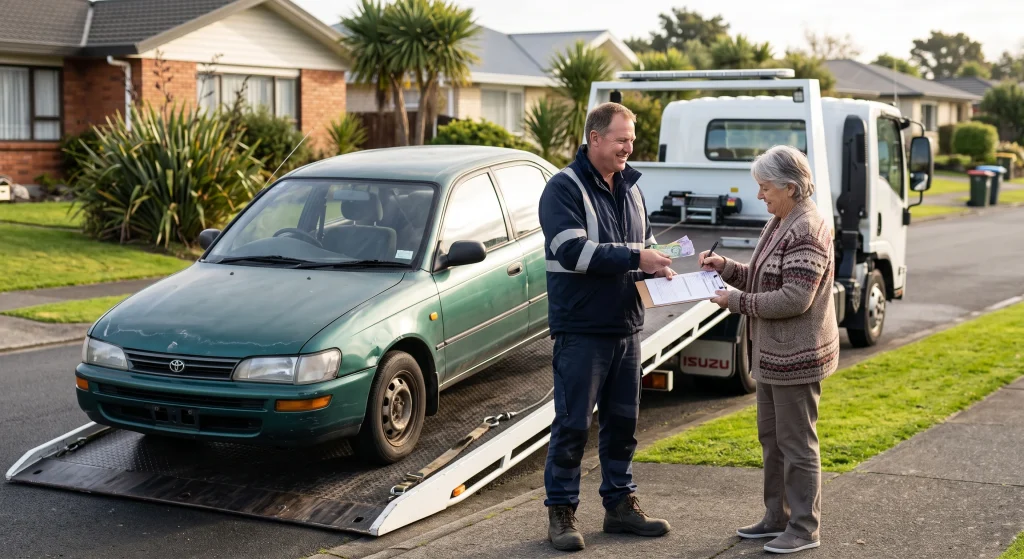
Getting a free scrap car quote is quick and usually takes just a few simple steps. Most people receive a quote within minutes, and the car can often be collected the same day.
Here’s how the process works:
- Tell the wrecker about your car. Share the make, model, year, and condition by phone or through an online form.
- Receive a free quote. You’ll usually get a cash offer within a few minutes.
- Choose a pickup time. If you’re happy with the quote, book a collection time that suits you. Same-day or next-day pickup is often available.
- Complete the paperwork. Hand over the keys and any required documents. The wrecker will explain the ownership transfer and any deregistration steps if needed.
- Get paid. Payment is made when the vehicle is collected, usually by cash or bank transfer.
From requesting a quote to receiving payment, the entire process is often faster and easier than arranging a trade-in at a dealership.
How Can You Choose a Reliable Car Wrecker?
Choose a car wrecker that gives you a fixed quote, explains the paperwork clearly, and doesn’t pressure you into making a quick decision.
Watch for these warning signs before accepting an offer:
- No fixed quote. A reliable wrecker tells you how much they’ll pay before collecting the car.
- No paperwork. They should help with the NZTA ownership transfer and provide the necessary documents.
- Pressure to decide immediately. A trustworthy company gives you time to compare quotes.
- No business address or phone number. Choose a local business with clear contact details.
- A quote that’s much higher than others. Check if towing, collection, or other fees will be deducted later.
Taking a few minutes to compare companies can help you avoid unexpected costs and make sure you receive the amount you were quoted.
How Do You Get a Free Quote to Scrap Your Car?
Getting a free quote is simple. Share your car’s details, receive a cash offer, book a pickup, complete the paperwork, and get paid when the car is collected.
Here’s how it works:
- Share your car details. Tell the wrecker the make, model, year, and condition of your vehicle.
- Receive a free quote. Most companies provide a cash offer within a few minutes.
- Book a collection time. Choose a pickup time that works for you. Same-day or next-day collection is often available.
- Complete the paperwork. Hand over the keys and sign the required ownership documents related to motor vehicle registration.
- Get paid. You’ll receive payment by cash or bank transfer when the vehicle is collected.
From your first enquiry to receiving payment, the entire process is usually quick, simple, and hassle-free.
Frequently Asked Questions
Can I scrap a car that isn’t in my name?
No. The registered owner must approve the sale and complete the ownership transfer before the car can be scrapped.
Does the car’s colour or interior affect the scrap price?
Usually no. Scrap prices are based mainly on the car’s weight, reusable parts, and current scrap metal prices, not its paint colour or interior condition.
Can I keep my personalised number plates?
Yes. Tell the car wrecker before pickup and complete the required NZTA process to keep your personalised plates.
Should I repair my car before scrapping it?
No, in most cases. Repairs usually cost more than the extra money they add to the scrap value.
Can I trade in a car that has failed its WoF?
Yes, but you may receive a lower offer. If the repair costs are high, comparing a scrap quote is often a better idea.
How is the scrap value of a car calculated?
The price depends on the car’s weight, reusable parts, and current scrap metal prices. Popular models with parts that are in demand may receive higher offers.
Should You Trade In or Scrap Your Car?
Trade in your car if it’s in good condition and you’re buying another vehicle from a dealership. Scrap your car if it’s old, damaged, or no longer worth repairing.
If you’re still unsure, the easiest way to decide is to get a free scrap quote and compare it with a trade-in offer. It only takes a few minutes and gives you a clear idea of which option will put more money in your pocket.
At Car Wreckers Otago, we provide free quotes with no obligation. If a trade-in or private sale is likely to give you a better return, we’ll tell you. If scrapping is the better choice, we’ll offer a fair price, free vehicle removal, and fast payment to make the process simple.