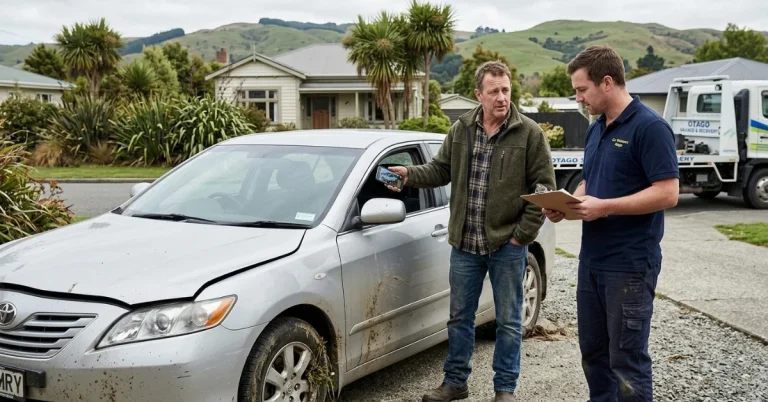
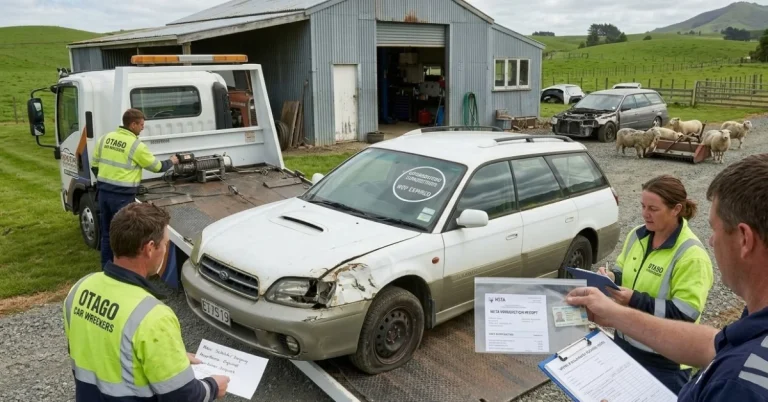
If your car is still in good condition, starts without problems, and can be driven safely, a trade-in may be a good option. You can hand it over to a dealer and use its value towards your next vehicle. However, older cars often receive lower offers, especially if they need repairs or have high mileage.
Scrapping may be the better choice when a vehicle is damaged, no longer running, has failed its WOF, or costs too much to fix. Many car wreckers will still pay for these vehicles because valuable parts and materials can be recovered, even if the car cannot be driven.
So which option is better? It depends on how much your car is worth, what condition it is in, and how quickly you want to sell. In this guide, we’ll compare trade-ins and scrapping to help you decide which option gives you the best value in New Zealand.
Trade-In vs Scrapping a Car: What’s the Real Difference?
A trade-in means giving your current vehicle to a dealership when buying another car. The dealer checks the car’s age, condition, mileage, and market value before making an offer. The amount is then used to reduce the price of your next vehicle, making the process simple and convenient.
Scrapping a car is different. Instead of looking at resale value, a car wrecker buys the vehicle for its usable parts, scrap metal, and recyclable materials. This means even a car that no longer runs, has accident damage, or would cost too much to repair can still have value. Nothing usable goes to waste, because every vehicle goes through a proper auto recycling process.
The biggest difference comes down to the condition of the vehicle. If your car is still reliable, roadworthy, and likely to attract buyers, a trade-in may be a good option. If it is old, damaged, non-running, or no longer worth repairing, scrapping is often the faster and more practical choice. In many cases, car wreckers will buy vehicles that dealerships are not interested in taking.
When a Trade-In Is a Better Choice
A trade-in is usually a good option when your car is still running well and is in a condition that a dealer can resell. If the vehicle is roadworthy, has current registration, and does not need major repairs, you may receive a reasonable offer from a dealership.
Many vehicle owners choose a trade-in because it is quick and simple. You hand over your current car, complete the paperwork, and drive away in another vehicle without having to find a buyer yourself.
A trade-in often works best if the car has reasonable mileage, a clean condition, and a model that is still popular with used-car buyers. While it is convenient, the offer may be lower than a private sale because the dealer needs to prepare and resell the vehicle.
When Scrapping Your Car Pays Off
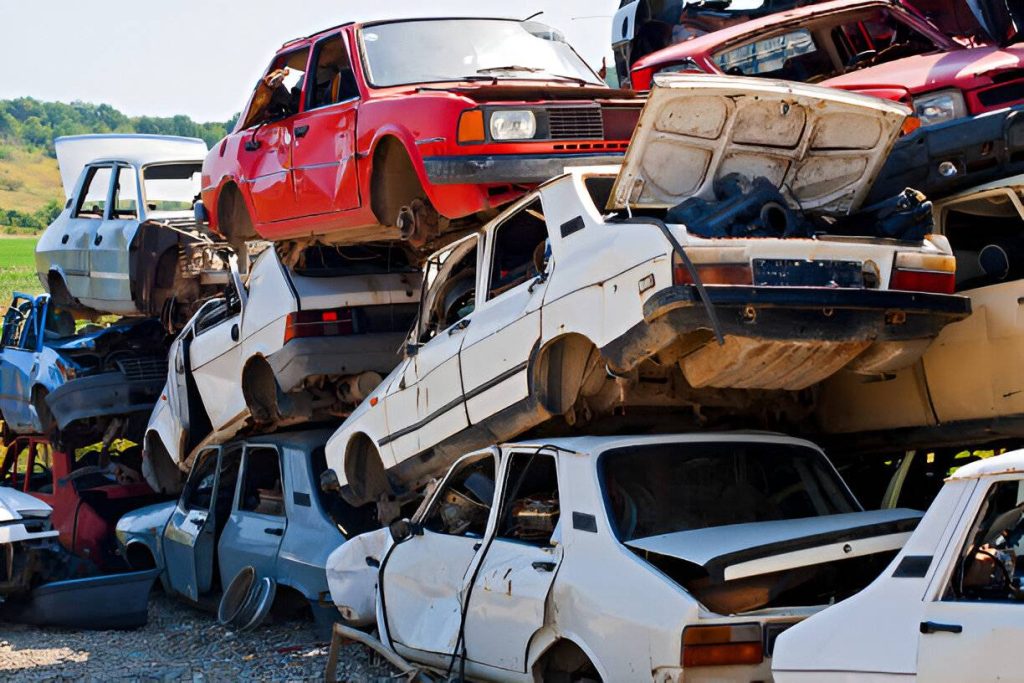
Scrapping a car is often the better choice when the cost of repairs is higher than the value of the vehicle. Instead of spending more money fixing an aging car, many owners decide to sell it and move on.
Even if a car no longer runs, it can still be worth money. Parts such as the engine, gearbox, wheels, battery, and other recyclable materials may still have value, which is why wreckers are willing to pay for unwanted vehicles. Those tested components are then resold as affordable used car parts.
Scrapping is usually the smarter option if your car has accident damage, serious rust, major mechanical problems, or has been sitting unused for a long time. In these situations, selling it to a car wrecker can be faster, easier, and more cost-effective than repairing it.
Trade-In or Scrap: Which One Pays More?
There is no single answer. The amount you get depends on your car’s age, condition, and current market value.
A dealership usually wants vehicles that can be cleaned up and resold. A car wrecker, on the other hand, looks at the value of usable parts, scrap metal, and recyclable materials.
For example, a 10-year-old car that still runs well may receive a decent trade-in offer. However, a 20-year-old vehicle with a failed engine may get a very low offer or no offer at all from a dealer. In that case, selling it to a car wrecker could put more money in your pocket. t takes only a minute to check the current cash for cars offer on your vehicle.
Before making a decision, compare a few offers and ask yourself:
- How much would repairs cost?
- What is the car worth in its current condition?
- How quickly do you need to sell it?
- Would a dealership be interested in it?
The answers to these questions usually make it clear which option will give you the better return.
Trade-In vs Scrap: Which Option Saves More Time?
If you want to sell your car quickly, scrapping is usually the faster option. Trade-ins work best when you are already planning to buy another vehicle from a dealership.
Selling a car privately can take weeks because you need to create listings, answer questions, and meet potential buyers. A trade-in is faster since the dealership handles most of the paperwork. However, a scrap sale can be even quicker, especially for old, damaged, or non-running vehicles. In many areas the vehicle is collected at no cost, including free car removal in Dunedin.
Trade-In
Pros
- Easy when upgrading to another vehicle
- Everything is completed in one transaction
- No need to advertise the car
Cons
- Older vehicles often receive lower offers
- Dealers may not accept damaged cars
- The vehicle usually needs to be in resalable condition
Scrap Sale
Pros
- Damaged vehicles are accepted
- Non-running cars are accepted
- Fast pickup and payment
- No repairs needed before selling
Cons
- May not be the best choice for cars with strong resale value
- Offers are based on parts and scrap value
For many owners of unwanted vehicles, a scrap sale is the easiest way to turn an old car into cash without delays, repairs, or extra paperwork.
When Is It Time to Scrap Your Old Car?
An old car can become expensive to keep when repair costs keep growing and its value keeps dropping. In many cases, scrapping the vehicle is a smarter choice than paying for another major repair.
There are several signs that a car may be ready for scrap. Frequent breakdowns, engine damage, transmission problems, heavy rust, failed inspections, and costly repair bills are some of the biggest warning signs. A vehicle that has been sitting unused for months can also lose value over time.
When the cost of fixing the car is higher than what the vehicle is worth, scrapping it is often the most practical option.
Simple Ways to Get More Money for Your Old Car
No matter how you sell your vehicle, a little preparation can help you get a better offer.
Keep Vehicle Details Ready
Before requesting a quote, collect important information such as:
- Make and model
- Year of manufacture
- Current mileage
- Overall condition|
It also pays to have your New Zealand driver licence on hand. NZTA requires the seller to notify them at the time of sale, and a vehicle that is no longer roadworthy must be deregistered. Sorting this on the day avoids being left liable for the next person’s fines or fees.
Compare More Than One Offer
Getting quotes from different buyers helps you understand what your car is really worth and prevents you from accepting a low offer too quickly.
Describe the Car Honestly
Accurate details about damage, mechanical issues, and condition usually lead to a more accurate quote and a smoother sale.
Check for Personal Belongings
Before handing over the vehicle, look through the glove box, boot, door pockets, and under the seats to make sure nothing is left behind.
A few minutes of preparation can help you sell your old car faster and get the best possible value.
Frequently Asked Questions
Is it better to trade in or scrap a car in New Zealand?
It depends on the vehicle’s condition. Cars in good condition often get better value through a trade-in, while damaged or non-running vehicles are usually worth more as a scrap sale.
Do dealerships accept damaged cars as trade-ins?
Some dealerships do, but the offer is often lower because repairs may be needed before the car can be resold.
Can I scrap a car that does not run?
Yes. Most car wreckers buy non-running vehicles and can arrange vehicle pickup.
How do I know if my car is worth repairing?
Compare the repair cost with the car’s current value. If repairs cost more than the vehicle is worth, scrapping may be the better choice.
Can I get cash for an old unwanted car?
Yes. Many car wreckers pay cash for old, damaged, scrap, and unwanted vehicles.
What documents do I need to scrap a car?
You will usually need proof of ownership and your New Zealand driver licence. If the vehicle is no longer roadworthy, it will also need to be deregistered.
How long does the scrapping process take?
In many cases, the vehicle can be collected and paid for on the same day or within 24–48 hours.
Do I need to repair my car before selling it to a wrecker?
No. Car wreckers buy vehicles in their current condition, so repairs are usually not necessary before the sale.
Trade-In or Scrap: Which Option Is Right for You?
If your car is still in good condition and has resale value, a trade-in can be a good choice when buying another vehicle. If the car is damaged, not running, unsafe to drive, or too expensive to repair, scrapping is often the better option.
There is no one-size-fits-all answer because every vehicle is different. The right choice depends on the car’s condition, repair costs, and current value.
Before making a decision, get a few quotes and compare your options. An honest assessment of your vehicle can help you choose the option that gives you the best return with the least amount of time and effort. If you want a straight answer on what your car is worth as scrap, contact our team for a free, no-pressure quote.