
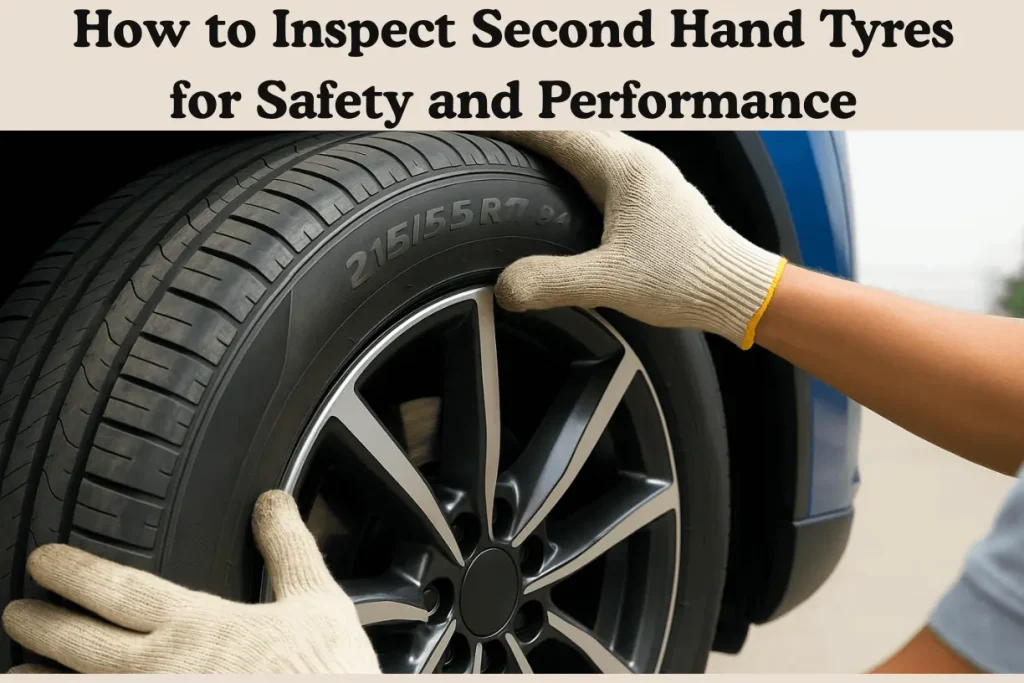
Second hand tyres can be a safe and cost-effective option when inspected correctly. Road safety data shows tyre defects increase stopping distance and raise blowout risk, especially on wet New Zealand roads. A proper inspection protects vehicle handling, fuel efficiency, and legal compliance.
Looking for reliable options? Otago Car Wreckers offers quality-checked used tyres across Otago.
Why Inspection Matters Before Buying Second Hand Tyres
Tyres connect a vehicle directly to the road surface. Any weakness affects braking, steering response, and stability at speed. Second hand tyres require closer checks because wear patterns, age, and hidden damage are not always visible at first glance.
In New Zealand, the legal tread depth is 1.6 mm across the tyre surface. Safety studies recommend replacing tyres closer to 3 mm, especially for frequent highway or winter driving. Careful inspection reduces the risk of uneven wear, air leaks, and premature failure.
Check Tread Depth and Wear Patterns
Tread depth determines grip on wet and dry roads. Measure depth at multiple points across the tyre, not just the center. Uneven readings often indicate suspension or alignment issues from the previous vehicle.
Signs of Healthy Tread
- Even depth across the tyre surface
- Clear tread blocks with no smoothing
- Depth above 3 mm for daily driving safety
A quick penny or coin test works for field checks, but a tread depth gauge provides accurate results. If uneven wear appears on the inner or outer edges, the tyre may not deliver balanced performance.
This inspection process aligns closely with quality standards discussed in how second hand auto parts are tested before resale in Invercargill, where consistency and structural integrity remain top priorities.
Inspect Sidewalls for Damage or Weakness
Sidewalls support the tyre’s structure and contain air pressure. Damage here often leads to sudden failure and cannot be repaired safely.
Look closely for cracks, bulges, or dry rot. Fine surface cracking signals rubber aging, while bulges suggest internal cord damage. Any tyre showing exposed cords or deep cuts should be rejected immediately.
Use a flashlight to inspect areas near the bead, where tyres seal against the rim. Damage here causes slow air leaks and poor pressure retention.
Check the DOT Code for Tyre Age
Tyre rubber hardens over time, even if tread depth appears acceptable. The DOT code on the sidewall reveals the manufacturing date. The last four digits show the week and year of production. For example, 1223 means the 12th week of 2023.
Industry safety guidelines recommend avoiding tyres older than six years. Second hand tyres under this age limit maintain flexibility and grip, especially in colder conditions. Always confirm the DOT code before purchasing.
Look for Repairs and Internal Damage
Run a hand slowly across the tread surface. Embedded objects, raised areas, or soft spots indicate internal damage. While a single, professionally plugged repair in the center tread area may be acceptable, multiple patches increase failure risk.
Avoid tyres with repairs near the sidewall or shoulder. These areas flex heavily during driving and repairs there rarely hold under stress.
Balanced tyre sets also matter. Mismatched brands or uneven wear across all four wheels can reduce stability and cause uneven braking.
Tools That Make Inspection Easier
Basic tools improve inspection accuracy and save time:
- A tread depth gauge for precise measurements
- A flashlight to reveal cracks and sidewall damage
- An air pressure gauge to detect slow leaks
These tools help confirm whether second hand tyres meet safety expectations before installation.
Conclusion and CTA
Inspecting second hand tyres carefully protects safety, handling, and long-term value. Tread depth, sidewall condition, tyre age, and repair quality determine whether a used tyre performs reliably on the road. Skipping these checks often leads to early replacement or safety risks.
For drivers across Otago seeking dependable options, Otago Car Wreckers supplies thoroughly checked used tyres that meet road safety standards. Every tyre is assessed for age, wear, and condition before resale.
Reliable tyres change how a vehicle feels on every drive. Better grip. Better control. Better peace of mind. Choose tyres that are inspected, approved, and ready for the road.
Frequently Asked Questions
How can used tyres be checked for safety?
Safety checks focus on tread depth above 1.6 mm, absence of sidewall cracks or bulges, and a DOT age under six years. Uneven wear or exposed cords indicate rejection.
What do the markings on a tyre sidewall mean?
Sidewall markings show tyre size, load rating, speed rating, and the DOT manufacturing date. These details confirm compatibility and age.
What tools are needed to inspect second hand tyres?
A tread depth gauge, flashlight, and air pressure gauge provide accurate inspection results. Coin tests work for quick checks.
How to spot unsafe wear on second hand tyres?
Unsafe wear includes bald patches, uneven edges, deep cracks, bulges, and visible cords. These signs indicate reduced grip and failure risk.
Are repaired second hand tyres safe to use?
Single, professional repairs in the center tread area may be acceptable. Multiple repairs or repairs near sidewalls reduce safety and durability.