In New Zealand, a car that repeatedly fails its WOF can still be sold to a wrecker for assessment and scrapping. If repeated failures involve costly repairs, structural rust, or worn suspension, selling it to a car wrecker may be more practical than paying for more repairs. Compare your repair quote with the car’s estimated value after repairs before making a decision.
Getting a WOF failure is frustrating. Facing a second or third failure can leave you wondering whether the car is worth keeping. Instead of spending more money without a clear plan, find out what needs fixing and how much the work will cost.
If you are in Otago and your car has failed its WOF, compare the repair cost with what you could get by selling it to a wrecker. Ask for a cash quote and check whether vehicle collection is available in your area. This can help you avoid spending more money on repairs that may not be worth the cost.
What Happens When Your Car Fails Its WOF in NZ?
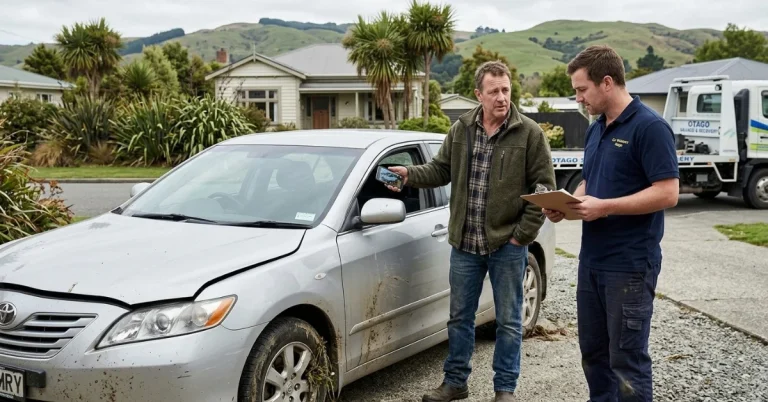
When your car fails its WOF in NZ, the inspector gives you a report showing what needs fixing. You must sort out the listed faults before your car can pass. If the repair bill is higher than you expected, check whether fixing the car is worth the money.
You may be able to return to the same inspection station for a recheck within 28 days. The recheck rules depend on your situation, so confirm the details with your inspector and read the NZTA recheck requirements. If your car fails again or needs several repairs, the costs can quickly add up.
Before paying for more work, ask your mechanic for a repair quote. If the cost is too high for your car’s age and condition, selling it to Car Wreckers may be a better option. Ask for a cash offer and check whether a car collection is available in your area before deciding.
Why Does My Car Keep Failing Its WOF?
If your car keeps failing its WOF, worn parts, rust, or ongoing mechanical problems may be to blame. Fixing one fault does not mean another will not show up at the next inspection. If repair bills keep coming, you need to know whether fixing the car is still worth the cost.
Rust may spread to other parts of the body, while worn suspension parts and steering components may need replacing one after another. Oil leaks can also return if old seals need more work. On older cars, finding replacement parts and removing corroded bolts can add to the labour bill.
If you have paid for repairs after two or three failed inspections, add up those costs and ask your mechanic what needs fixing next. Compare the expected bill with what your car is worth. If the next repair costs more than you want to spend, contact us for a cash offer and ask about car collection in your area.
Why Does My Car Keep Failing Its WOF?
If your car keeps failing its WOF, the same repair may not be enough to fix the problems. One fault can lead to another, especially in older cars. Here are some common reasons:
- Rust keeps spreading: Fixing one rusty area may not stop corrosion from damaging other parts of the body or suspension mounts.
- Suspension and steering parts wear out: Ball joints, bushes, and tie rod ends may need replacing at different times, adding to repair costs.
- Oil leaks return: Old seals and gaskets can continue leaking even after some repairs.
- Temporary fixes do not last: A quick repair may solve one fault but leave other problems that cause another WOF failure.
- Repairs take more time: Corroded bolts and hard-to-find parts can increase labour costs on older vehicles.
If your car has failed two or three WOF inspections, add up your recent repair bills and ask your mechanic what still needs fixing. Compare the next repair estimate with your car’s current value.
Can You Drive a Car After It Fails Its WOF?
You cannot assume your car is safe to drive after it fails its WOF in New Zealand. Whether you can drive it depends on its safety and the rules for using a vehicle without a current WOF. Before taking it on the road, check the faults and arrange repairs or towing if needed.
Step 1: Check the WOF fail report
Read the report to see which parts need repair. Ask the inspector to explain any faults you do not understand.
Step 2: Check if the car is safe
Do not drive the car if its brakes, tyres, steering, or other faults make it unsafe. Arrange towing if necessary.
Step 3: Check the driving rules
Driving without a current WOF is restricted. You may be allowed to drive the vehicle specifically to get repairs or an inspection, but only if the legal conditions are met and the car is safe to drive. Read the official NZTA rules for vehicles without a current WOF or COF.
Step 4: Get a repair quote
Ask a mechanic how much it will cost to fix the failed items. If the bill is high, compare it with your car’s value before spending more.
Step 5: Choose repair or removal
If you decide to repair the car, arrange the work before using it again. If the repairs cost too much, contact to ask about a cash offer and vehicle collection. Confirm availability and any charges before booking.
Can You Drive a Car That Failed Its WOF?
You may be able to drive your car after it fails its WOF if the WOF is still valid and the car is safe to drive. If the WOF has expired, you generally cannot use the car for everyday trips. Check the fail report before deciding what to do next.
If your car has no current WOF, NZTA allows some trips directly to a repairer or inspection station, but only if the car is safe and you meet the rules. You cannot use the trip to visit shops or run other errands. Read the official NZTA rules for driving without a current WOF before taking the car on the road.
Read the fail report and ask the inspector if your car is safe to drive. If the brakes, tyres, steering, or body are unsafe, arrange towing instead.
Failed WOF in NZ? Should You Repair or Scrap Your Car?
Before spending more money on a car that failed its WOF, compare the repair quote with what the car could sell for after passing. If repairs cost more than 50% of its expected value, selling it to a wrecker may be the better financial choice. For example, if your car would be worth $3,000 with a fresh WOF, spending $600 on brakes and tyres may be reasonable. But a $2,000 bill for rust and suspension repairs could be hard to justify, especially if the car has failed before.
Repairing your car may make sense if:
- It only needs small repairs, such as lights, wipers, tyres, or brake pads.
- The engine and gearbox are in good condition.
- This is its first WOF failure in a long time.
- The repair bill is low compared with the car’s value.
- Keeping your car costs less than buying a replacement.
Selling it to a wrecker may make more sense if:
- Your car has failed several WOF inspections.
- The report lists serious rust or structural damage.
- It needs several steering or suspension repairs.
- The engine or gearbox also has problems.
- Repairs would cost more than half its expected value.
- You have already spent a lot on repairs over the past year.
Think about future costs too. Even after passing its WOF, an older car may need more work on its tyres, timing belt, or rust.
Why Rust Makes Cars Fail Their WOF in Otago
Rust can cause repeated WOF failures in Otago, especially in older cars. Sea air, wet winters, and road grime can damage metal parts over time. If your car has failed because of rust more than once, check the repair cost before spending more money on it.
- Sea air: Salt in the air can speed up rust on cars around Dunedin, Port Chalmers, Oamaru, and other coastal areas.
- Winter road grime: Dirt and road treatments can collect under the car and contribute to corrosion.
- Cold, wet weather: Moisture can build up around the sills, wheel arches, and floor panels.
- Steep roads: Regular driving on Dunedin’s hills can add wear to brakes, steering, and suspension parts.
Rust becomes a bigger problem when it affects the car’s structure. Repairs may require cutting out damaged metal and welding in new sections, which can be costly. If rust appears on your WOF report again, ask a qualified repairer to check the affected area and estimate the full cost
How Much Is a Failed-WOF Car Worth?
A car that has failed its WOF can still be worth money, even if private buyers are not willing to pay much for it. The amount a wrecker may offer depends on the car’s make, model, working parts, and scrap metal value. Before accepting an offer, find out what your car is worth in its current condition.
- Make and model: Popular cars such as the Toyota Corolla, Mazda Demio, and Nissan Tiida may have parts that are in demand.
- Engine and gearbox: Working engines and gearboxes can add value to a vehicle.
- Body and interior parts: Undamaged doors, headlights, mirrors, and seats may be suitable for reuse.
- Scrap metal: Even if few parts can be reused, the car may still have scrap value.
A failed WOF does not automatically make your car worthless. A wrecker may focus more on the condition of its usable parts than on how many times it has failed an inspection. To get a clearer idea of its value, share the car’s make, model, year, condition, and known faults when requesting a quote. Compare the offer with your expected repair costs before deciding whether to sell or repair it.
The Bottom Line
If your car keeps failing its WOF and repair bills keep rising, selling it may cost you less than fixing it again. Compare the repair quote with your car’s value before deciding.
Ready to Sell Your Failed-WOF Car? Get a free cash quote today and ask about car removal across Otago.
FAQs
1. How many times can a car fail its WOF?
There is no fixed limit. Your car must pass the required checks before it can receive a WOF.
2. What happens if I miss the 28-day WOF recheck window?
You may need a full inspection and pay the full inspection fee. Confirm the requirements with your inspection provider.
3. Can I sell a car with no WOF or registration?
Yes, you can sell it to a wrecker. The offer depends on the car’s condition and usable parts.
4. Will a wrecker buy a car that does not run?
Yes, some wreckers accept non-running cars. Ask for a quote and confirm whether collection is available.
5. Is it worth fixing rust to pass a WOF?
Small rust repairs may be worth doing. If the rust is severe or keeps returning, compare the repair cost with your car’s value.
6. Can I sell my failed-WOF car privately?
Yes, but you should clearly tell potential buyers about its WOF status and faults. A wrecker may be a simpler option if the car needs major repairs.
7. Do I need to tow my failed-WOF car to a wrecker?
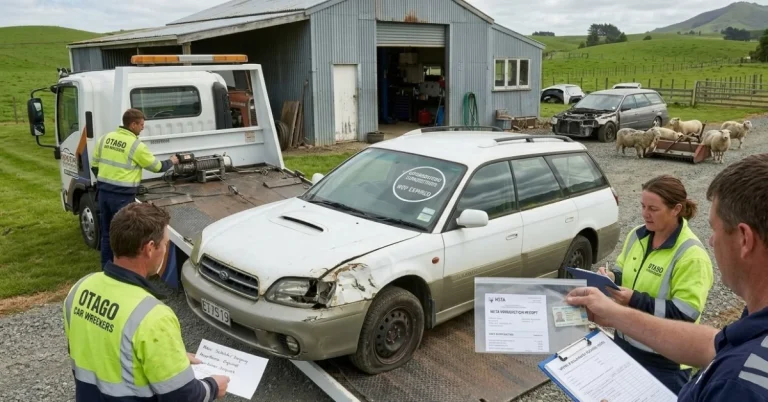
Not always. Ask the wrecker whether they offer vehicle collection and whether any charges apply.