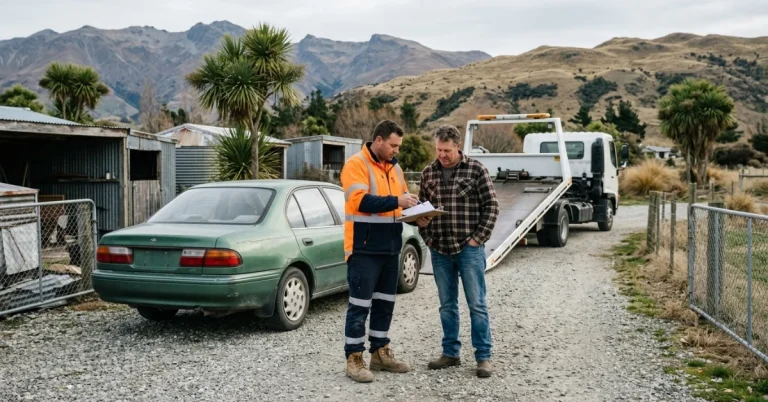
Used car parts safe to buy come from trusted auto dismantlers who inspect and test every part before sale. They should also match your vehicle’s make, model, and engine. Parts like engines, gearboxes, doors, mirrors, headlights, and interior trim are usually reliable second-hand choices when sourced from a reputable supplier.
Avoid buying used safety-critical or high-wear parts such as airbags, seat belts, brake components, and timing belts. These parts are safer when purchased new because hidden wear can affect performance. At Otago Car Wreckers, every reusable part is carefully inspected, and customers are helped to find components that match their vehicle correctly before purchase.
Many vehicles are written off due to accident damage, flooding, or repair costs, even though many parts remain in excellent condition. Choosing professionally checked used parts from a trusted supplier helps you save money without compromising reliability, making quality second-hand OEM parts a smart choice for many vehicle repairs.
The Five Things That Make a Used Part Safe
Buying a used car part doesn’t have to be risky. A reliable part can save you money and perform just as well as a new one, but only if you buy from the right supplier. Before making a purchase, use these five simple checks to make sure you’re getting a safe, tested, and compatible part for your vehicle.
1. Buy from a professional auto dismantler. A trusted dismantler removes parts correctly, records the donor vehicle’s details, and checks each part before selling it. Unlike private sellers, they have quality standards and a reputation to maintain.
2. Make sure the part matches your exact vehicle. Don’t rely on the make and model alone. The correct part must match your vehicle’s year, engine, trim level, and build specifications to ensure a proper fit and reliable performance.
3. Ask if the part has been inspected and tested. A good supplier should explain exactly what they checked, such as mounting points, wiring connectors, seals, or signs of damage. For mechanical and electrical parts, proper testing is just as important as a visual inspection.
4. Check for a written warranty or return policy. A warranty gives you confidence that the supplier stands behind the part. Before you buy, ask what the warranty covers, how long it lasts, and what happens if the part doesn’t work as expected.
5. Confirm the fit before you pay. The easiest way to avoid buying the wrong part is to provide your registration number or VIN. A professional supplier can verify compatibility before you spend any money, saving you time, returns, and unnecessary repair costs.
Fitment: The Part That Trips Up Most Buyers
Getting the right fit is essential when buying a used car part. Your vehicle’s make, model, and year alone aren’t enough, as manufacturers often use different parts for different engines, transmissions, or facelift models.
To avoid ordering the wrong part, provide your make, model, year, engine, transmission, body style, and VIN. If you own a Japanese import, include the chassis code. Sending a photo of the original part number is one of the fastest ways to confirm compatibility.
Using the correct vehicle details helps you avoid returns, installation delays, and extra repair costs.
Which Used Parts Are Safe to Buy?
Professionally inspected doors, lights, mirrors, interior trim, alloy wheels, engines, gearboxes, alternators, starters, and AC compressors are usually safe and cost-effective used parts. Always check for damage, rust, or broken mounting points before buying.
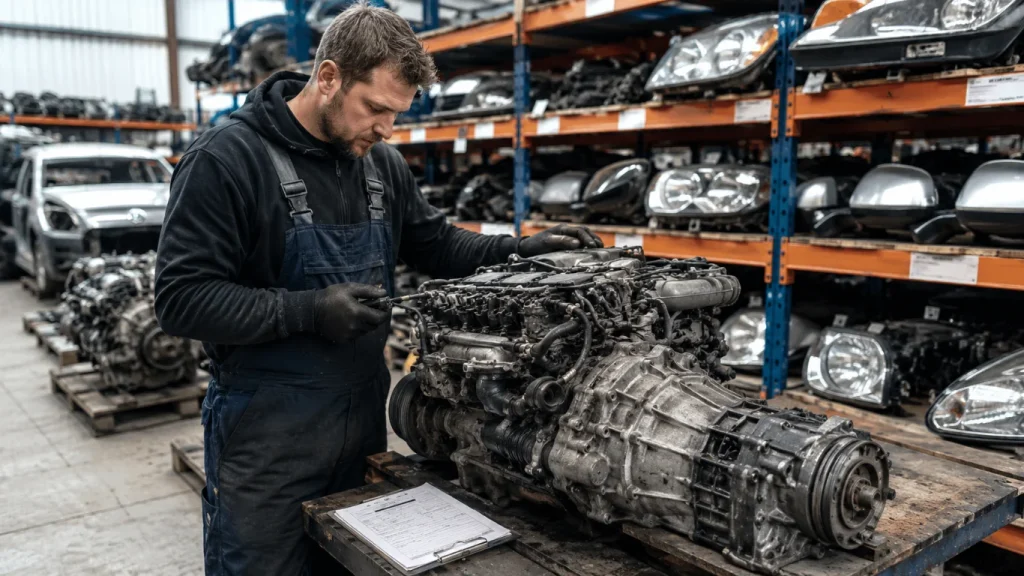
For engines and gearboxes, ask the donor vehicle’s odometer reading and whether the vehicle was running before the part was removed. A trusted supplier should be able to provide both details.
Choosing tested used OEM parts can save money while delivering reliable performance.
Which Used Parts Should You Never Buy Second-Hand?
Never buy used brake pads, brake rotors, airbags, seat belts, timing belts, filters, brake hoses, or clutch and brake master cylinders. These parts wear out over time, and their condition can’t be confirmed by visual inspection.
For these safety-critical components, always choose new parts. Used engines, doors, lights, and gearboxes can save you money, but safety parts should never be a compromise.
What Does a Used Part Warranty Actually Cover?
Most used car part warranties in New Zealand cover the part or a refund only, not the labour cost of installation or replacement. That’s why it’s important to buy from a trusted supplier who inspects every part before sale.
Before you buy, ask how long the warranty lasts, whether it covers parts and labour, and who pays return shipping if the part doesn’t fit. Knowing these details helps you avoid unexpected costs.
When buying from a registered New Zealand auto dismantler, you’re also protected by the Consumer Guarantees Act (CGA). A reputable supplier will clearly explain the warranty and stand behind the parts they sell.
How to Inspect a Used Part Before You Fit It
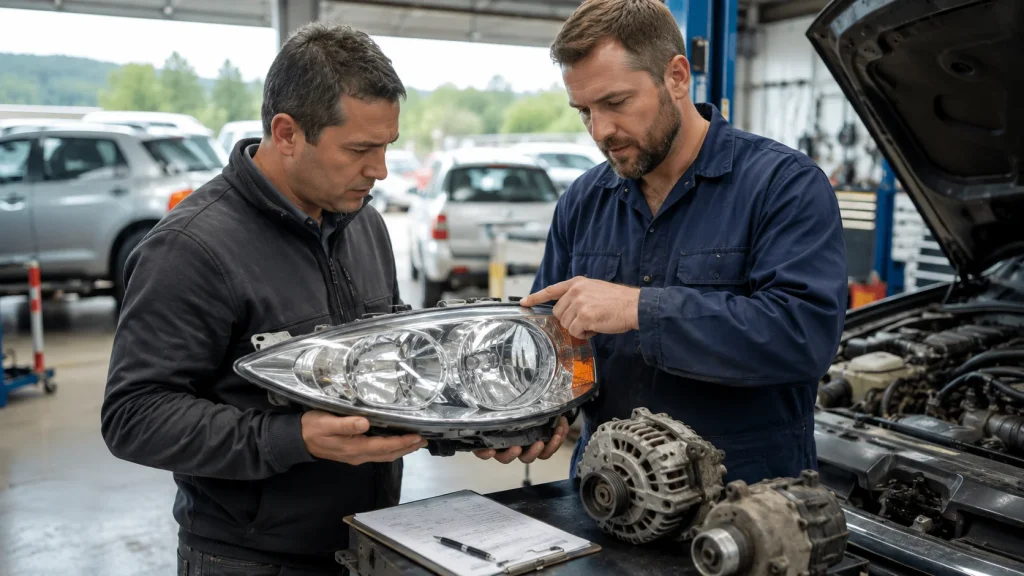
Before installation, compare the used part with your original one. Check the size, mounting points, connectors, and overall shape to make sure everything matches before your mechanic starts work.
Inspect the part carefully. Check electrical connectors, mounting tabs, brackets, and look for oil leaks or rust on engines and metal components. Small issues can become expensive problems after installation.
Take photos as soon as the part arrives. If there’s a fitment or damage issue, clear photos make it much easier to resolve the problem with the supplier.
Common Mistakes Buyers Make When Purchasing Used Car Parts
The biggest mistake is choosing the cheapest part instead of buying from a trusted supplier. Low-cost parts often come without proper testing, history, or a warranty.
Another common error is ordering without providing your VIN or chassis number, which increases the chance of getting the wrong part. Buying from unknown online sellers without a physical business is also risky.
Finally, compare the total cost, including freight and fitting, not just the purchase price. Always inspect the part before booking your mechanic to avoid delays and extra labour costs.
Your Pre-Purchase Checklist for Used Car Parts
Before buying a used car part, make sure you’ve provided your vehicle details, VIN (or chassis code), and, if possible, the original part number. Ask the supplier to confirm in writing that the replacement part is the correct fit for your vehicle. This simple step helps prevent ordering the wrong part and avoids unnecessary returns.
Next, ask whether the part has been professionally inspected and tested. Find out exactly what was checked and request the donor vehicle’s odometer reading for major components like engines, gearboxes, and differentials. Also, confirm the warranty terms, including how long it lasts, whether it covers parts only or parts and labour, and who pays the return freight if there’s a fitment issue.
Finally, compare the total cost, including freight and installation, instead of looking only at the part price. When the part arrives, take photos before fitting it and compare it side by side with your original component. Following this checklist helps you buy the right part, avoid costly mistakes, and enjoy a smoother repair process.
Final Thoughts
Used car parts are a cost-effective and reliable option when you buy from a trusted New Zealand auto dismantler. Genuine used OEM parts often fit better and cost less than low-quality aftermarket alternatives, making them an excellent choice for many repairs.
The key is choosing a supplier who confirms fitment, inspects and tests parts, and provides a clear written warranty. This helps you avoid costly mistakes and ensures you receive a part you can rely on.
Need a used car part? Send us your VIN or registration number and the part you’re looking for. We’ll confirm the correct fit and provide a competitive quote before you buy.
Frequently Asked Questions
1. Are used car parts reliable?
Yes. Professionally inspected used car parts such as engines, gearboxes, doors, lights, mirrors, and interior trim can provide years of reliable service. Avoid buying used safety-critical or high-wear parts.
2. Which car parts should never be bought used?
Never buy used brake pads, brake rotors, airbags, seat belts, pretensioners, timing belts, filters, or brake and clutch hydraulic components. These parts should always be replaced with new ones.
3. How do I know if a used part will fit my car?
Provide your vehicle’s make, model, year, engine size, transmission type, and VIN or chassis number. Sharing the original part number also helps confirm the correct fit.
4. Are used OEM parts better than aftermarket parts?
In many cases, yes. Used OEM parts offer the original factory fit and quality, while aftermarket parts can vary depending on the brand and manufacturer.
5. Do used car parts come with a warranty in New Zealand?
Most reputable New Zealand auto dismantlers provide a warranty on used parts. Always check the warranty period, what it covers, and whether labour costs are included.
6. Can I install a used car part myself?
Simple parts like mirrors, lights, and interior trim can often be installed at home. For engines, brakes, airbags, suspension, or timing components, professional installation is recommended.
7. Where can I buy quality used car parts in New Zealand?
Buy from a trusted auto dismantler that inspects and tests parts, confirms fitment using your VIN, and provides a written warranty. This helps you get the right part with confidence.